Recent headlines have sparked renewed discussion about whether long‑range missile threats could, in theory, reach the UK. While there is no assessment of any imminent attack, the conversation itself reflects a deeper truth: the global security environment has changed, and resilience has become a sensible part of modern life.
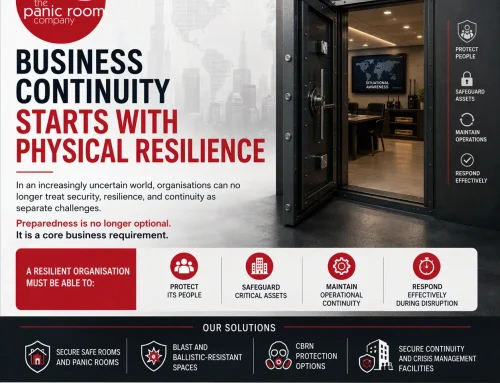
For high‑net‑worth families, developers, and organisations, preparedness isn’t about reacting to news cycles. It’s about foresight — quietly ensuring that people, assets, and operations remain protected if normal systems are disrupted. At The Panic Room Company, we work with clients who recognise that resilience is no longer a “worst‑case scenario” conversation. It is part of long‑term estate planning, continuity of operations, and duty of care.
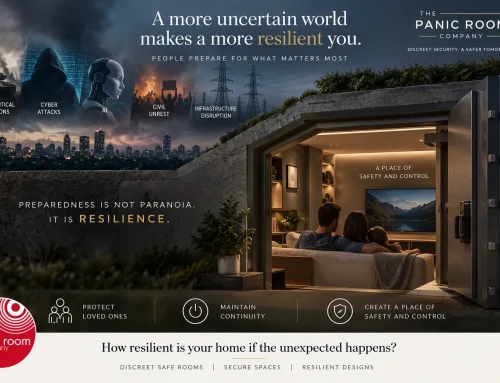
Modern Panic Rooms Are Not What Popular Culture Suggests
Today’s secure rooms are:
- Architecturally integrated
- Aesthetically indistinguishable from their surroundings
- Designed for comfort, not confinement
- Engineered for air quality, structural protection, and duration of occupancy
- Fully aligned with planning, building regulations, and client lifestyle
For some clients, the requirement is short‑term safe refuge. For others, it is multi‑day resilience against wider disruption.
The principle is the same:
choice and control when options elsewhere are limited.
Resilience isn’t fear‑driven. It’s responsible planning for low‑probability, high‑impact risks — from infrastructure disruption to wider crisis events.
Preparedness is not panic.
- It’s leadership.
- It’s control.
- And it’s peace of mind.
If you would like to discuss how
The Panic Room Company can help provide you with discreet resilience for an uncertain world, please reach out to discuss your unique requirements.