- Establish robust and effective security systems. If necessary, seek assistance from a bona fide private security company. Those companies that are members of the Security in Complex Environments Group(SCEG) have made a commitment to high standards, including on human rights. We also encourage oil, gas and mining companies to join the Voluntary Principles on Security and Human Rights. These guidelines can help extractive companies carry out effective risk assessments and engage with public and private security providers, in order to mitigate the risk that security around their operations might contribute to human rights abuses or conflict.
- Ensure all staff have safe and secure working and living areas.
- Where working alongside other companies and subcontractors, ensure your respective security and emergency procedures are compatible.
- Regularly test your systems. Run drills and crisis exercises with all staff, including subcontractors.
- Plan and manage movements and be able to deliver safe in-country movement as well as options for evacuations.
- At a minimum you need three key contingency plans: (1) emergency evacuation, (2) relocation and (3) hibernation.
- Regularly test the resilience of your communications equipment.
Protecting employees in high risk environments
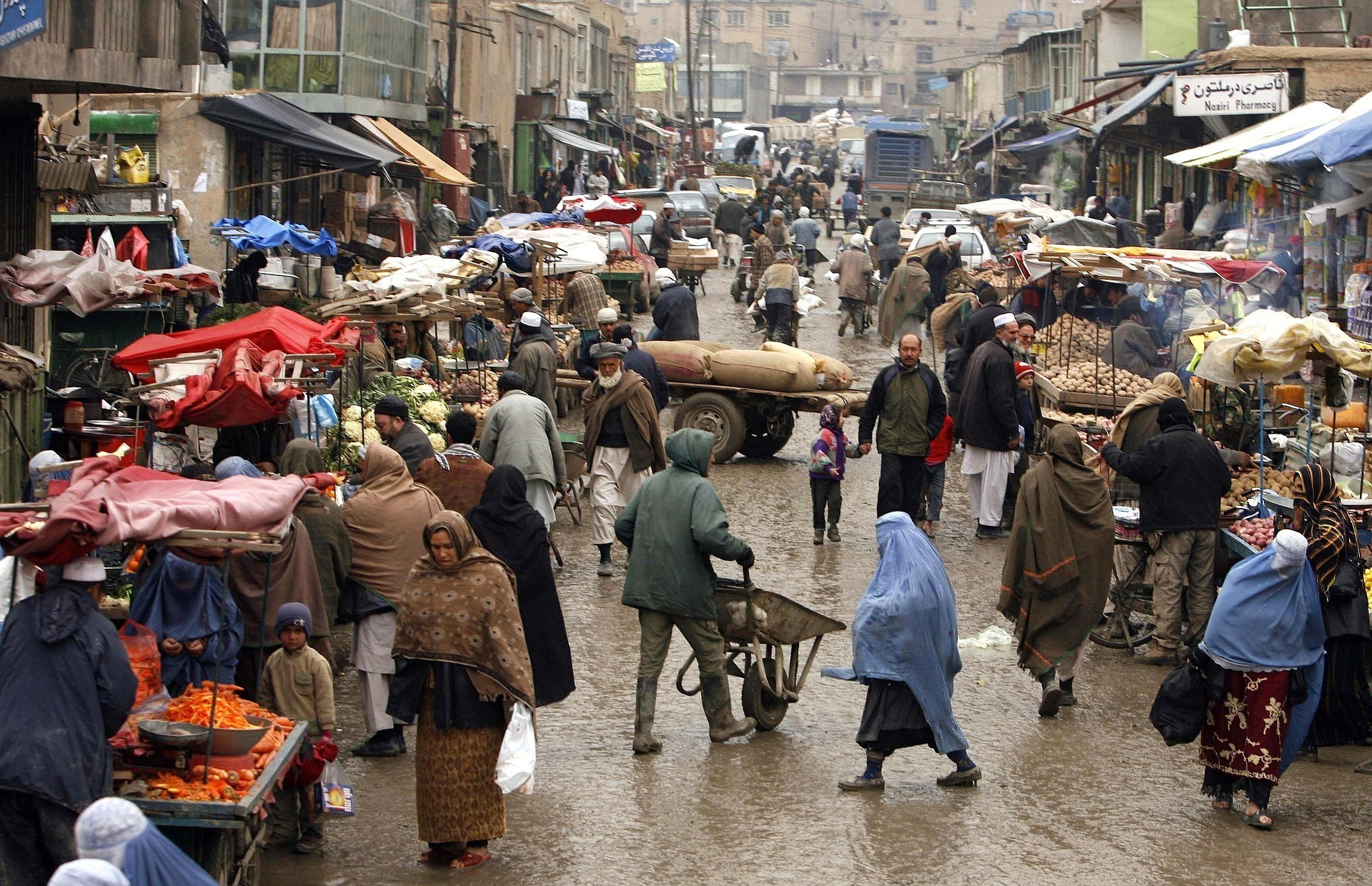
The Afghan capital of Kabul and its people have, once again, suffered at the hands of the Taliban as violence in the country has increased in the first few weeks of 2018.
In two separate attacks, members of the terrorist group drove an ambulance packed with explosives into the busy Chicken Street area of the city killing more than 100 individuals and less than 48 hours later, struck a military post leaving 11 soldiers dead.
Chicken Street is home to a number of foreign embassies and police HQ as well as numerous shops and restaurants and the military post is close to the main military academy.
“It’s very easy to see why the Taliban chose these two particular locations,” states Paul Weldon, managing director of The Panic Room Company. “The devastation these terrorists cause to both civilian and government personnel is evident and begs the question of what more can we do to protect people, police officers and employees working in foreign embassies where there is a specific duty of care?”
“There is direct advice on this subject from the Foreign & Commonwealth Office (FCO) for businesses, including embassies, operating on the ground in hostile or high-risk environments as outlined below:
On the ground:
Share This Story, Choose Your Platform!
Related Posts