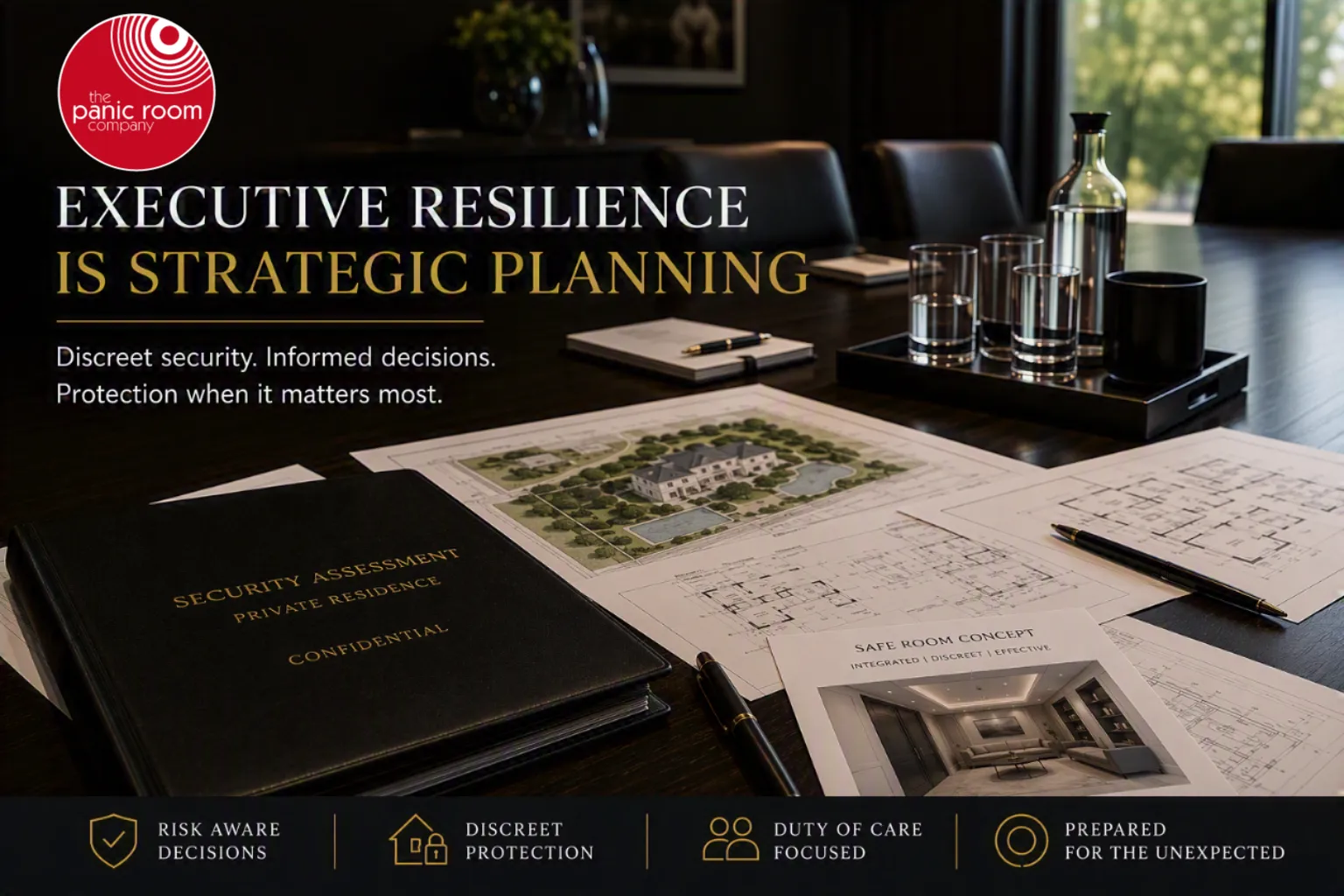
Preparedness is no longer just a travel security issue. It is becoming a core part of responsible estate, family office and executive resilience planning.
Recent analysis from Control Risks highlights a continuing rise in kidnap-for-ransom, extortion and behavioural threat incidents globally, driven by geopolitical uncertainty, transnational organised crime and changing criminal tactics. The important point for high-net-worth families, senior executives and organisations is not that every individual faces the same level of risk. They do not. The point is that personal security, residential resilience and continuity planning are becoming increasingly connected.
For many affluent families, the traditional approach to security has focused on alarms, gates, CCTV and close protection when travelling. These remain important, but they are no longer the whole picture. Modern resilience considers what happens if a situation develops quickly, access to a property is compromised, communications are disrupted, or a family member, principal or leadership team needs a protected space in which to pause, communicate and make informed decisions.
That is where secure architecture has an important role to play.
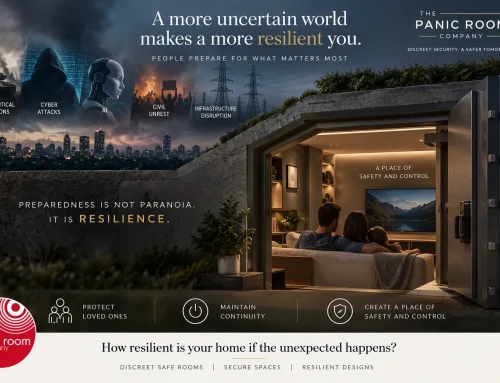
A well-designed safe room is not about panic. It is about control. It is a discreet, engineered space that can support shelter, communication and decision-making during a security incident. The same principle applies to larger secure areas within homes, estates, offices, family office premises and private residences.
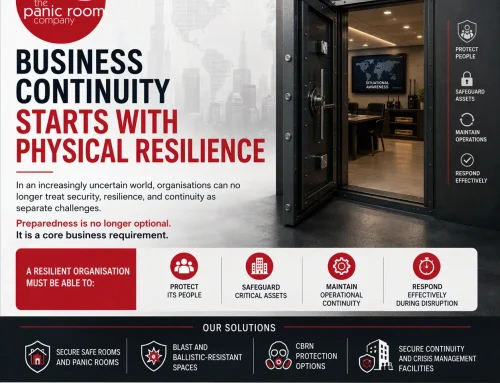
For architects, developers and private client advisers, this should be considered early in the design process. Retrofitting resilience is possible, but early-stage integration allows protective measures to be incorporated more discreetly, more elegantly and often more efficiently. The strongest solutions do not look defensive. They look considered, proportionate and aligned with the lifestyle and operational needs of the client.
This is especially relevant for UHNW families, family offices, public figures and senior executives whose homes and workplaces may carry a higher public profile, greater asset concentration or more complex duty-of-care requirements.
The lesson is clear: resilience is not fear-based. It is informed decision-making.
To explore how resilience can be designed into homes, estates and workplaces, contact the Panic Room Company to discuss how we can help.
#ResidentialSecurity #FamilyOfficeSecurity #SecureArchitecture